
What If A Member of My Family Is Showing Symptoms Of Covid-19
As the novel coronavirus continues to wreak havoc across countries, the chances of getting exposed to the disease continue to increase. By now, everyone is likely to have heard the advice: If you suspect you or your family member is showing signs of COVID-19, then self-quarantine at your home for 14 days to stop the spread of the virus. This recommendation is given as a vast majority of cases are moderate or mild, and patients can recover without medical supervision. Although, if you experience trouble breathing or other emergency warning signs, call for medical help immediately.
Symptoms of COVID-19
While the virus may display no signs of infection in some people, below are some of the common symptoms noticed in COVID-19 patients:
- Fever
- Dry cough
- Sore throat
- Headache
- Body ache
- Loss of smell
- Loss of appetite
In severe cases, COVID-19 can cause symptoms akin to pneumonia, such as high fever, a very bad cough, and shortness of breath. As the disease affects the functioning of the brain, some people also experience neurological symptoms like loss of smell, muscle weakness, inability to taste, dizziness, seizures, confusion, and numbness in hand and feet.
Additionally, people may also experience gastrointestinal symptoms such as nausea, loss of appetite, diarrhea, vomiting, and abdominal pain. These symptoms usually develop before the onset of other indicators like body aches, fever, and cough.
Steps to follow for taking care of a sick family member
If your spouse, parent or child is showing COVID-19 symptoms but is not very sick and not in need of immediate medical supervision, you must follow the below steps for providing supportive care while still protecting your health:
1. Limit contact with the patient
COVID-19 is transmitted from the sick person to other people who are in close contact through respiratory droplets coming out of the patient’s mouth when they talk, sneeze, or cough. Therefore, when you start noticing the symptoms, it is necessary to isolate the patient and limit contact. Avoid unnecessary visitors at this time. Kids and pets must also not be allowed to interact with the patient.
Remember that the caretaker should not be someone who may themselves be at an increased risk of contracting severe illness due to the disease.
2. Designate a separate room and bathroom
Let the sick person recover in a room with a door and advice him/her not to come out, except for using the bathroom. No must enter the sick room apart from the caretaker. Open a window to allow air to circulate in the room. Keep a box of tissues and dustbin in the room. If you live in a one-bedroom house, let the patient take the bedroom, and you can use the other spaces such as the living room to make temporary sleeping adjustments.
If there are 2 bathrooms in your house, make one exclusive for the patient. If not, it is necessary to disinfect every surface that the patient touches after using the bathroom.
3. Have meals in different rooms
It is essential to remain separated even during mealtimes. The sick person must eat their meals inside the room. If the person can get out of bed, place the food and water on a tray, leave it outside their door and move away. After the meal, ask them to keep the tray outside and close the door. If the person cannot get out of bed, you must wear a mask and gloves when you enter the room.
Do not touch your face after handling their vessels. Dispose of the gloves safely and wash your hands thoroughly with soap. Clean their dishes using hot water and soap or in a dishwasher.
4. Handle their laundry with caution
Place a basket or a laundry bag in the room for the patient to put in towels, clothes, bedding, and washcloths. Ask them to keep it outside when full. If they are unable to so, wear a mask and glove while entering the room to get it.
Do not shake the soiled laundry as doing so may increase the chances of the virus dispersing in the air. Gloves must be worn while laundering. Wash the clothes in warm water with detergent or soap and dry the clothes completely. This helps to kill the virus. Remove the gloves and wash hands with soap or use a sanitizer. It is also necessary to wash or disinfect the laundry bag after emptying it. Using disposable bags is a more convenient option.
5. Clean and disinfect the house
High touch surfaces such as doorknobs, tables, light switches, desks, handles, faucets, sinks, toilets, and electronics must be cleaned and disinfected every day. If the items or areas are dirty, wash them with water and soap first, and then use a household disinfectant. Ensure to follow the instructions mentioned on the label for safe and effective use of the disinfectant.
If using a separate bedroom and bathroom for the sick person, clean the area around the person as and when it is dirty. This will help limit contact. Additionally, if the person feels up to it, provide them with the required materials to clean their own space. For cleaning and disinfecting electronics, follow the manufacturer’s instructions. If you do not have the necessary materials, use an alcohol-based wipe or spray.
6. Help them ease their symptoms
While it is essential to maintain physical distance from the patient, cutting off emotionally is not recommended at all. Help them feel comfortable during these tough times. Provide them with pillows and blankets, magazines, books, and access to the internet or TV to pass the time. Turn down the noise levels in the house so that they can sleep and rest peacefully.
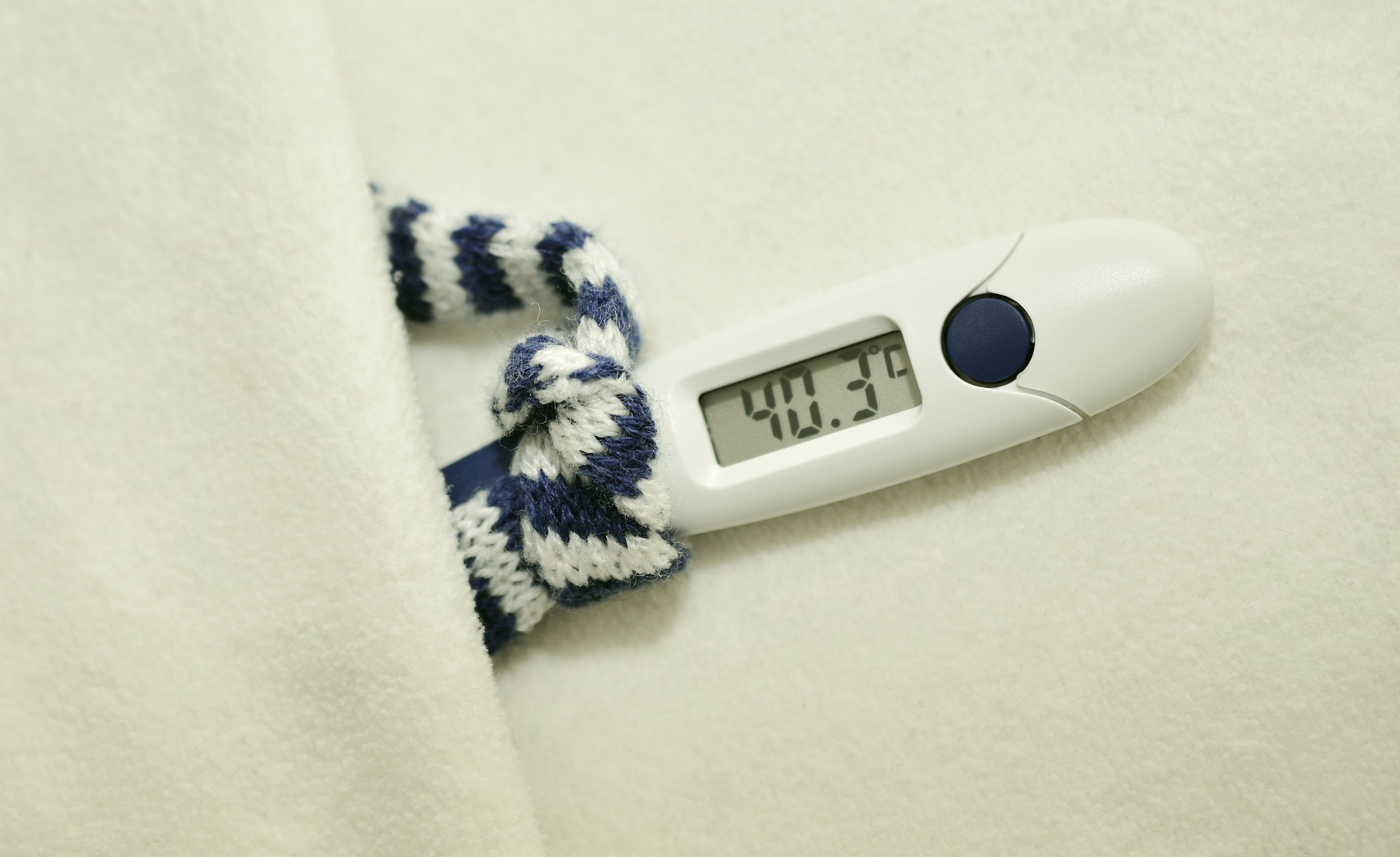
Help them understand the dosage of the medicines they need to take and ensure they complete the course. Also, make sure they do not consume alcohol or take more than the dose recommended. Moreover, keep track of what they have and when. Ask them to note their temperature reading and write down when new symptoms occur. Make sure they stay hydrated and drink plenty of water and clear fluids throughout the day.
7. Use a lined trash can
Instead of throwing the waste directly into the trash can, line it with plastic, newspaper, or compostable bio-based bags for easy and safe disposal. Place the contaminated items such as gloves and masks in the lined garbage bin.
Even while removing the garbage bags, handling, and disposing of them, it is essential to wear gloves. Once done, remove the gloves, throw it in a freshly lined trash can, and wash your hands thoroughly.
Conclusion
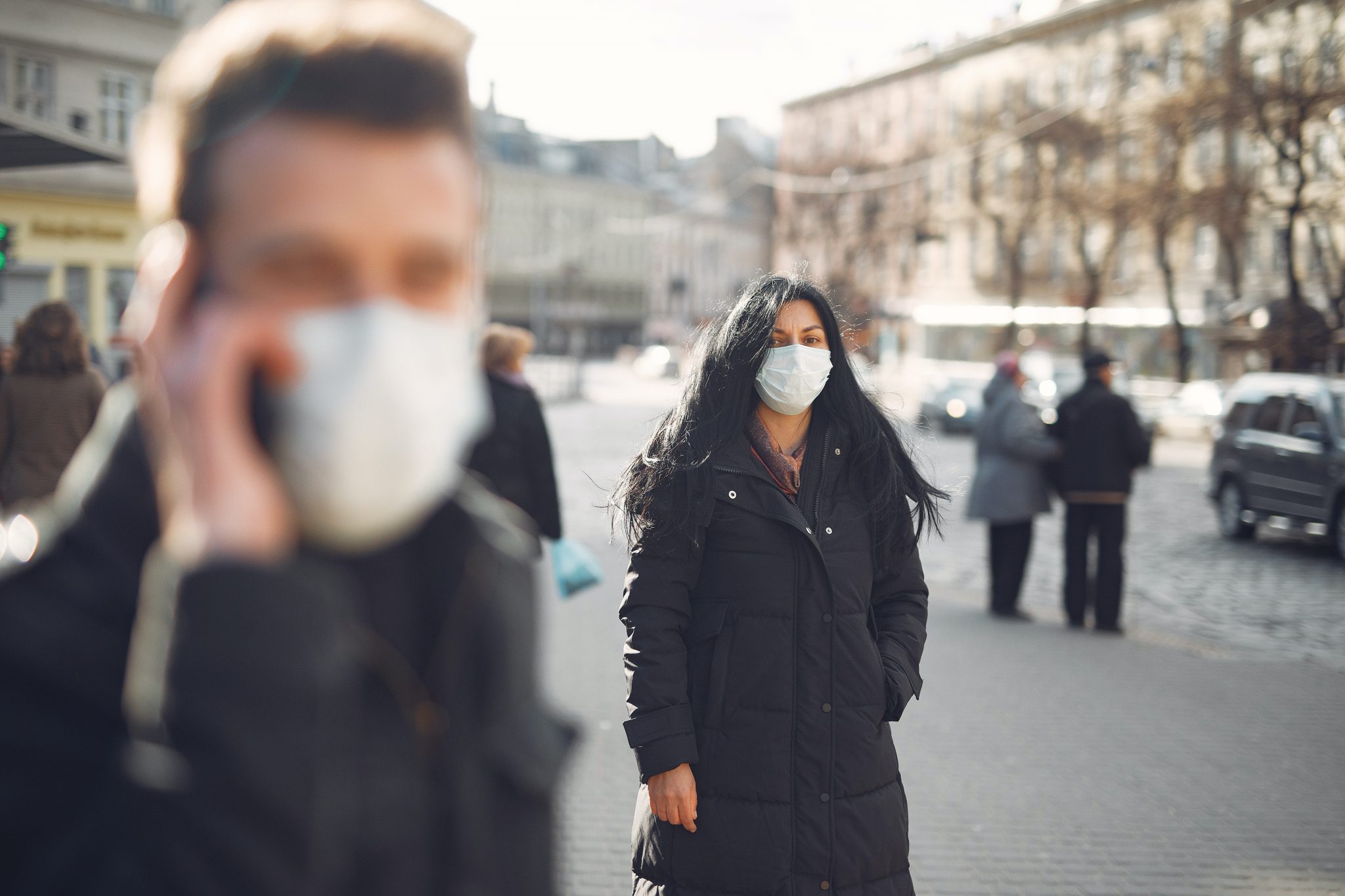
Caregivers and people who are in close contact with the sick person must monitor their health and be on the vigil for any COVID-19 symptoms. They must also stay at home as they have come in direct contact with someone who may have the disease. In the interest of your safety, make sure that you and the patient wear face masks when in the same room. Use gloves if you touch the person or any of his/her belongings. Safely dispose of the masks and gloves and wash your hands with soap for at least 20 seconds.
In stressful times like these, it is ok to lean on your family and friends for moral support. Take advantage of technology and communicate with loved ones regularly. This will help relieve the stress, put things in perspective, and help you cope with the challenge of taking care of a family member displaying signs of possible infection.